- Visitors
- Researchers
- Students
- Community
- Information for the tourist
- Hours and fees
- How to get?
- Visitor Regulations
- Virtual tours
- Classic route
- Mystical route
- Specialized route
- Site museum
- Know the town
- Cultural Spaces
- Cao Museum
- Huaca Cao Viejo
- Huaca Prieta
- Huaca Cortada
- Ceremonial Well
- Walls
- Play at home
- Puzzle
- Trivia
- Memorize
- Crosswords
- Alphabet soup
- Crafts
- Pac-Man Moche
- Workshops and Inventory
- Micro-workshops
- Collections inventory
- News
- Students
- Discover the Benefits and Properties of Cassava
News
CategoriesSelect the category you want to see:
The Cupisnique Era at El Brujo ...

What Do You Need to Travel to Peru? Recommendations for an Unforgettable Visit ...
To receive new news.
By: Complejo arqueológico El Brujo
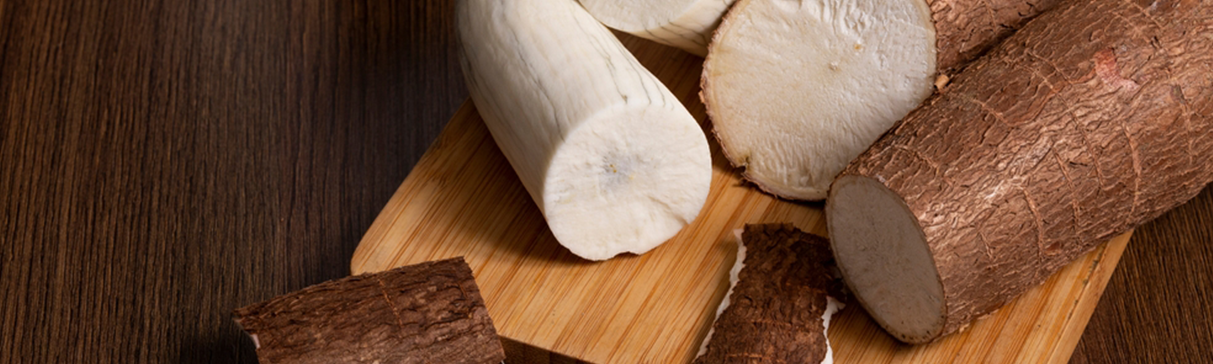
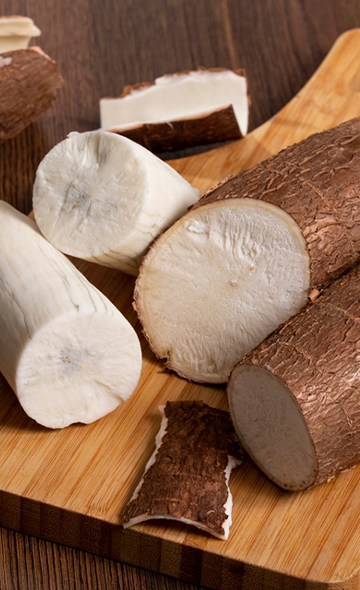
Cassava, also known as manioc (scientific name: Manihot esculenta), is a staple food deeply connected to the history, culture, and cuisine of many parts of the world. Its value lies not only in its flavor and culinary versatility but also in the important nutritional benefits it provides. Internationally, cassava is highly valued not only as a food source but also for its starch reserves, which are essential to industries such as biofuels, biochemicals, and bioplastics.
In this article, we will explore cassava’s origin, its varieties, and its nutritional value.
What Is Cassava?
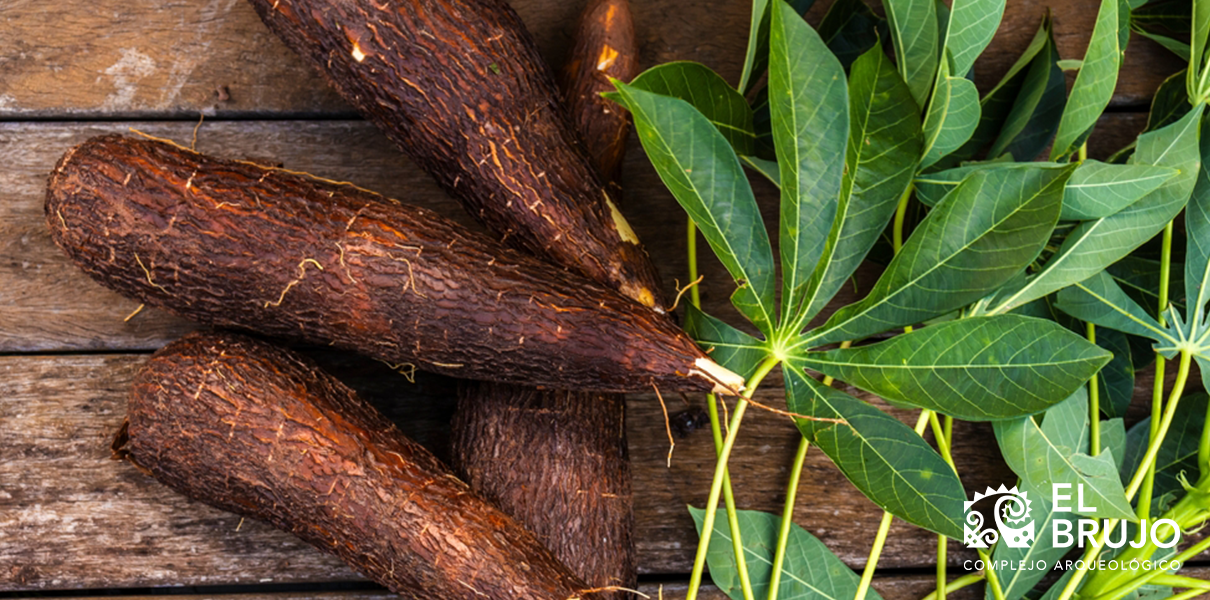
The cassava plant is a shrub that grows between 2 and 3 meters tall and has the remarkable ability to thrive in low-fertility soils and a wide range of climates.
Varieties of Cassava
There are two main varieties of this tuber: sweet cassava and bitter cassava. Sweet cassava is commonly grown in regions from Peru to Mexico, while bitter cassava is more frequent in Amazonian areas.
The Origin of Cassava: A Tuber with History
Although experts continue to debate its exact place of origin and domestication, most agree that cassava was first domesticated in some part of the Amazon rainforest before spreading to the Andean highlands. However, due to the environmental conditions of the jungle, ancient remains of the plant have not been preserved there, making western South America the region with the earliest archaeological evidence.
On Peru’s northern coast, cassava played a central role. The oldest remains of cassava in the country were found in the Upper Zaña Valley (Lambayeque), where populations between 9800 and 7800 BCE cultivated the tuber in small gardens.
During the Moche period (200–800 CE), cassava was also present. Remains have been found in a kitchen area of the urban zone at Huaca de la Luna, along with depictions of cassava on ceremonial pottery. Additionally, cassava remains have been identified in Chimú domestic areas at the El Brujo Archaeological Complex, showing its widespread use in the diet of pre-Hispanic communities.
Properties and Benefits of Cassava: Nutrition, Energy, and Wellbeing
Cassava’s properties make it an excellent food for health. Some of its main benefits include:
- Source of carbohydrates: Provides an excellent source of energy for people of all ages.
- Source of protein: Supports growth and cell renewal.
- Rich in vitamin B: Essential for converting food into energy.
- Rich in vitamin C: Provides antioxidants that help prevent premature aging.
- Source of iron: Helps combat anemia and boosts physical and mental performance.
- Source of zinc: Strengthens the immune system.
Nutritional Value of Cassava
The nutritional value of cassava per 100 grams of raw tuber may vary slightly depending on the variety, but generally provides:
- Carbohydrates: high content
- Moderate protein
- Vitamins B and C
- Minerals such as iron and zinc
It is worth noting that its calorie content can increase depending on how it is prepared. For example, fried cassava or cassava purée with butter can add more calories. However, when boiled or steamed, cassava remains a healthy option for any meal of the day.
Peruvian Recipes with Cassava
Today, cassava continues to hold a special place in Peruvian cuisine. It is commonly served as a side dish in meals such as:
- Fish ceviche
- Duck ceviche
- Sancochado (Peruvian stew)
- Seco de cordero (lamb stew)
- Seco de cabrito (goat stew)
- Chicken chicharrón
- Fried fish
Cassava is also used in traditional desserts such as picarones and chapana, and in drinks like masato, a traditional Amazonian beverage.
Cassava is not just an everyday food but also a symbol of cultural identity. Learning about its benefits, history, and nutritional value allows us to revalue it as part of Peru’s living heritage.
Want to learn more about the ancestral foods consumed by pre-Hispanic cultures in Peru? Visit the official blog of the El Brujo Archaeological Complex.
Students , outstanding news