- Visitors
- Researchers
- Students
- Community
- Information for the tourist
- Hours and fees
- How to get?
- Visitor Regulations
- Virtual tours
- Classic route
- Mystical route
- Specialized route
- Site museum
- Know the town
- Cultural Spaces
- Cao Museum
- Huaca Cao Viejo
- Huaca Prieta
- Huaca Cortada
- Ceremonial Well
- Walls
- Play at home
- Puzzle
- Trivia
- Memorize
- Crosswords
- Alphabet soup
- Crafts
- Pac-Man Moche
- Workshops and Inventory
- Micro-workshops
- Collections inventory
- News
- Students
- Aji Amarillo: Origin, Properties, and Uses in Peruvian Cuisine
News
CategoriesSelect the category you want to see:

Elite Moche Burial at Huaca Cao Viejo: The Principal Priest ...
Tumbas de élite mochica en Huaca Cao Viejo: la cámara decorada Moche Elite Tombs at Huaca Cao Viejo: The Decorated Chamb ...
To receive new news.

By: Complejo arqueológico El Brujo
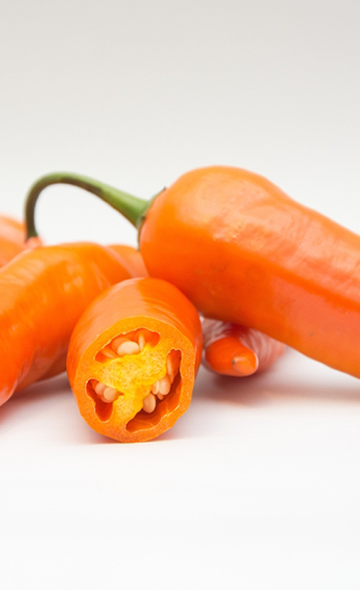
The aji amarillo (Capsicum baccatum var. pendulum) is a true symbol of Peru’s culinary identity. With its vibrant color, distinctive aroma, and unique flavor, this chili has been an essential part of Peru’s history, from pre-Hispanic times to the present day. Today, it is widely used as a base in traditional dishes and can be consumed fresh or processed. In addition, it provides significant nutritional value.
In this article, we will explore the origin of aji amarillo, its properties, and its most representative uses in Peruvian cuisine. A journey that invites us to rediscover and value this food that has transcended time and civilizations.
Origin of Aji Amarillo
At the El Brujo Archaeological Complex, particularly in the Huaca Prieta and Paredones sectors, archaeologists discovered some of the earliest evidence of chili consumption. Among the identified varieties are aji limo, rocoto, and several types of Capsicum baccatum. This last variety was especially popular during the Archaic period, often associated with celebrations and collective food consumption.
During the rise of the Inca Empire (Tahuantinsuyo), chili peppers became consolidated as a highly significant crop. The Incas even mobilized coastal farmers to ensure its cultivation and care in the highlands. According to Father Bernabé Cobo’s chronicles in “Historia del Nuevo Mundo”, chili was a fundamental ingredient in Inca cuisine, giving rise to exquisite dishes whose names and techniques have survived as pillars of modern Peruvian gastronomy.
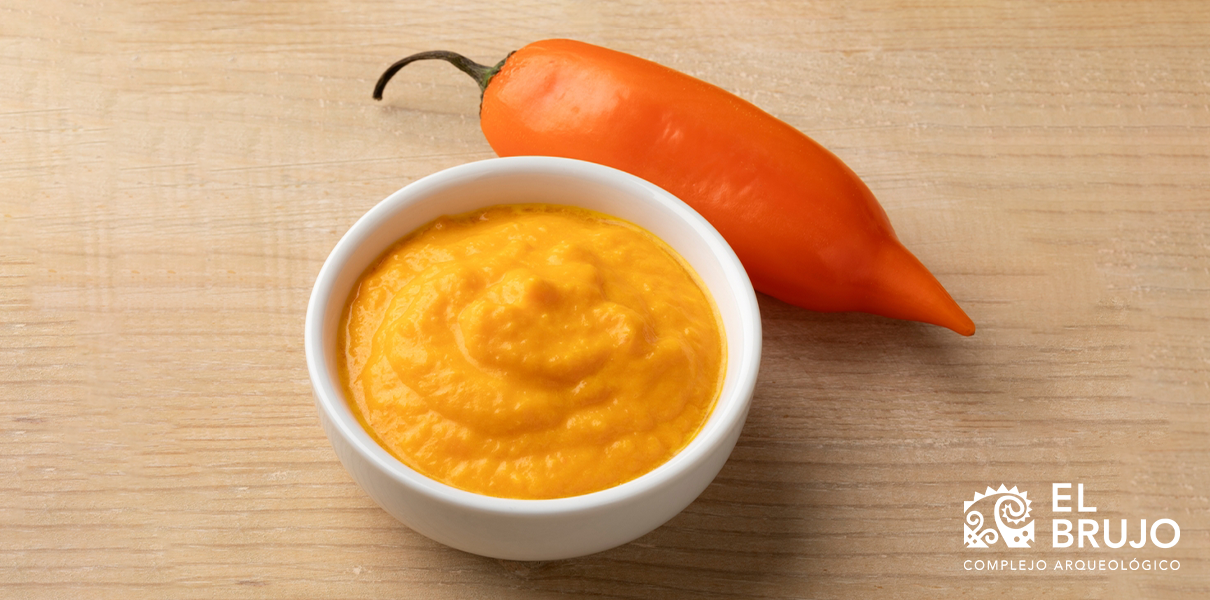
Ancient Peruvians used chili peppers not only as food but also in sacred rituals. During the Andean fast—a purification practice prior to ceremonies—participants abstained from eating salt, meat, and, significantly, chili peppers. At the end of these rituals, chili also played a symbolic role, being cast into the fire as part of burnt offerings.
Over the centuries, different chili varieties became essential in colonial and republican cuisine. From the 16th to the 19th century, aji amarillo was a key ingredient in the culinary fusion that blended native Peruvian traditions with foreign influences.
Properties of Aji Amarillo
Aji amarillo has various health benefits and plays a role in preventing certain diseases. Its main properties include:
- Natural analgesic: thanks to flavonoids and phenolic compounds.
- Anti-cancer properties: due to its powerful antioxidants.
- Strong antiseptic: with its high vitamin C content.
- Capsaicin benefits: the compound responsible for its spiciness not only helps reduce bad cholesterol but also protects the stomach lining and contributes to diabetes prevention.
Nutritional Value of Aji Amarillo
Like many other Andean foods, aji amarillo is highly nutritious. Below is a breakdown of its nutritional values, highlighting its contribution to a balanced and healthy diet.
Peruvian Recipes with Aji Amarillo
Aji amarillo is one of the most popular ingredients in Peruvian cuisine. It can be used fresh or processed in various ways: dehydrated, chopped, pickled, smoked, or as a paste. Some iconic dishes prepared with aji amarillo include:
- Locro
- Escabeche
- Ají de gallina
- Cau Cau
- Lomo Saltado
- Ceviche
- Papa a la Huancaína
- Tiradito with aji amarillo
- Aji amarillo sauce/cream
Conclusion
Aji amarillo is an essential part of Peru’s culinary identity. Learning about its history, properties, uses, and multiple benefits not only enriches our knowledge but also inspires us to continue valuing and preserving our culture.
Explore the official El Brujo blog and immerse yourself in the ancestral knowledge of ancient Peru.
Students , outstanding news