- Visitors
- Researchers
- Students
- Community
- Information for the tourist
- Hours and fees
- How to get?
- Visitor Regulations
- Virtual tours
- Classic route
- Mystical route
- Specialized route
- Site museum
- Know the town
- Cultural Spaces
- Cao Museum
- Huaca Cao Viejo
- Huaca Prieta
- Huaca Cortada
- Ceremonial Well
- Walls
- Play at home
- Puzzle
- Trivia
- Memorize
- Crosswords
- Alphabet soup
- Crafts
- Pac-Man Moche
- Workshops and Inventory
- Micro-workshops
- Collections inventory
- News
- Students
- Lady of Cao: The Powerful Woman Who Changed Moche History
News
CategoriesSelect the category you want to see:
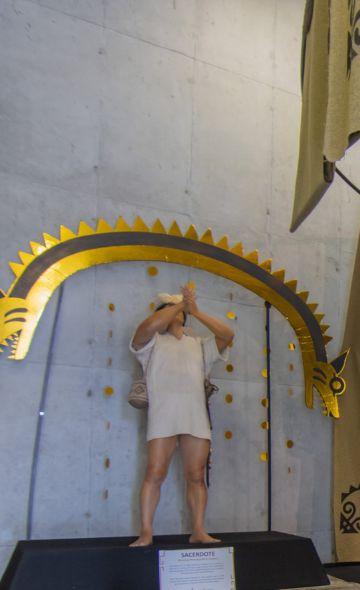
Elite Moche Burial at Huaca Cao Viejo: The Principal Priest ...
Tumbas de élite mochica en Huaca Cao Viejo: la cámara decorada Moche Elite Tombs at Huaca Cao Viejo: The Decorated Chamb ...
To receive new news.
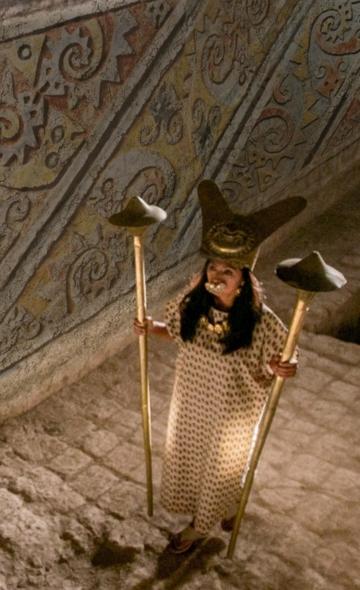
By: Complejo arqueológico El Brujo
Who was the Lady of Cao?
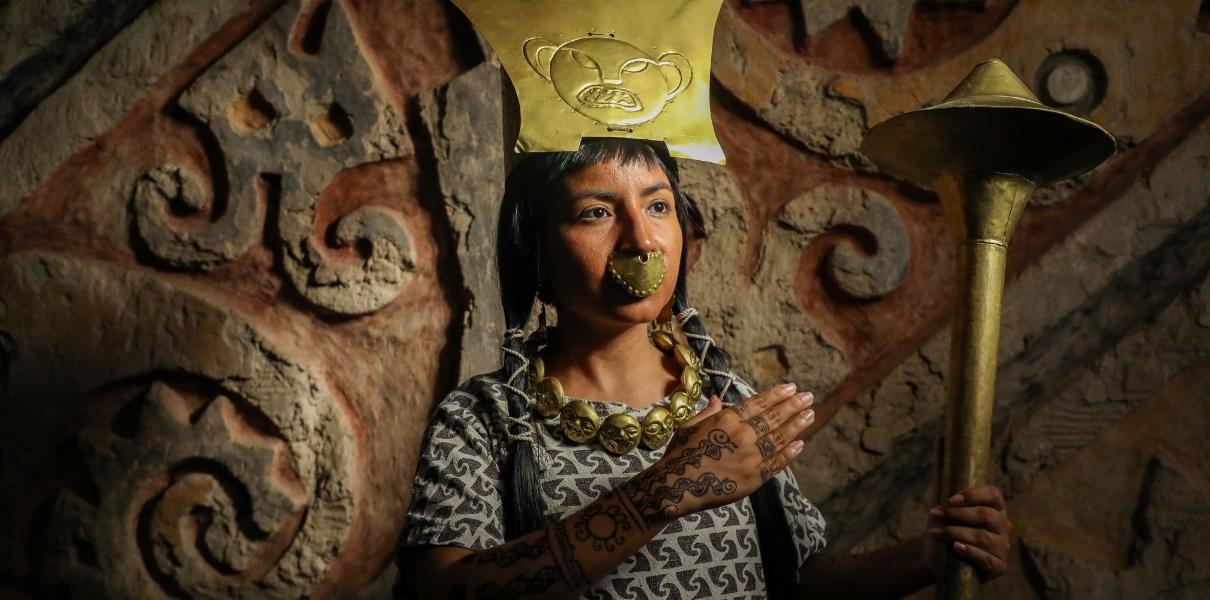
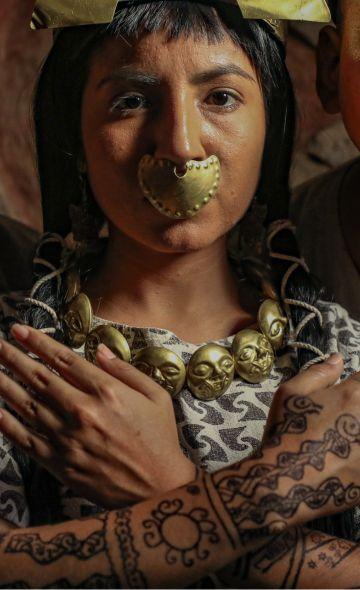
Figure 1. Representation of the Lady of Cao.
In 2005, archaeologists from the Wiese Foundation made a historic discovery at the Huaca Cao Viejo, within the El Brujo Archaeological Complex in northern Peru: the intact tomb of the Lady of Cao, a Moche elite woman with an exceptionally well-preserved funerary bundle. This discovery is unique in Peruvian archaeology and crucial for understanding the role of female power in pre-Hispanic societies.
The Lady of Cao was a Moche leader who lived around A.D. 500, between 25 and 30 years old at the time of her death. She measured approximately 1.48 meters tall, and scientific studies revealed her diet included maize and seafood, staples of Peru’s northern coast.
This female figure stands out because, unlike other burials, her tomb contained clear symbols of power: crowns, diadems, nose ornaments, earspools, and ceremonial clubs, identifying her as a woman of high rank in Moche society. Her elevated status is further reinforced by the strong resemblance between these insignia and Moche iconography, such as the Sacrifice Ceremony, a scene associated with political and ritual authority.
Her body also displayed tattoos with animal motifs like rays, snakes, and spiders—designs widely represented in Moche art. These tattoos indicate that the Lady of Cao embodied the ideology of her time, participating in political and ceremonial activities carried out in monumental structures like Huaca Cao Viejo.
The funerary bundle: an archaeological treasure
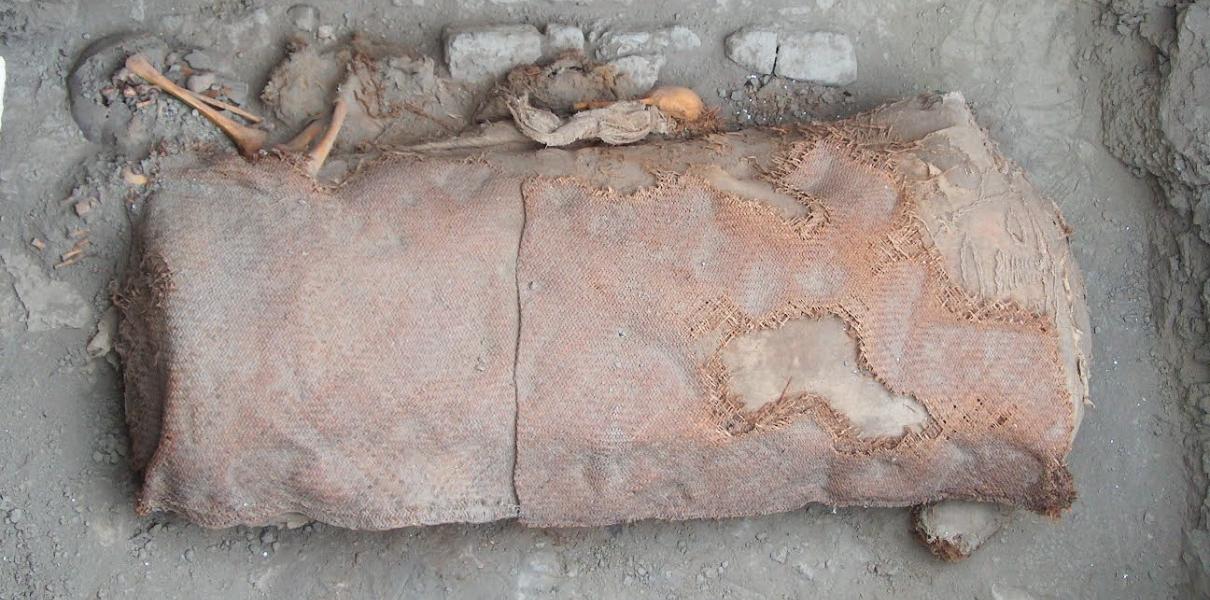
Figure 2. Funerary bundle of the Lady of Cao, found at Huaca Cao Viejo.
The Lady of Cao’s funerary bundle weighed nearly 120 kilograms and measured 1.81 meters in length. It was wrapped in 22 layers of cloth arranged in three successive stages, forming a complex and elaborate mortuary package.
Main features of the funerary bundle:
- Dimensions: 181 cm long, 75 cm wide, 42 cm thick
- Approximate weight: 120 kilograms
- Composition: 22 layers, grouped into three successive stages, each with unique details
Details by stage:
- First stage (innermost): Contained the mummified body in excellent condition, with visible tattoos and personal ornaments such as gold and silver necklaces, nose ornaments, and earspools.
- Second stage (middle): Included embroidered mantles with cinnabar (a vivid red pigment), cotton bands, and metallic ornaments. Highlights include an embroidered face of a monkey and earrings with feline motifs.
- Third stage (outermost): Featured an anthropomorphic embroidered face covered with cinnabar, mantles with gilded copper plaques, crowns, and ceremonial clubs symbolizing power and authority.
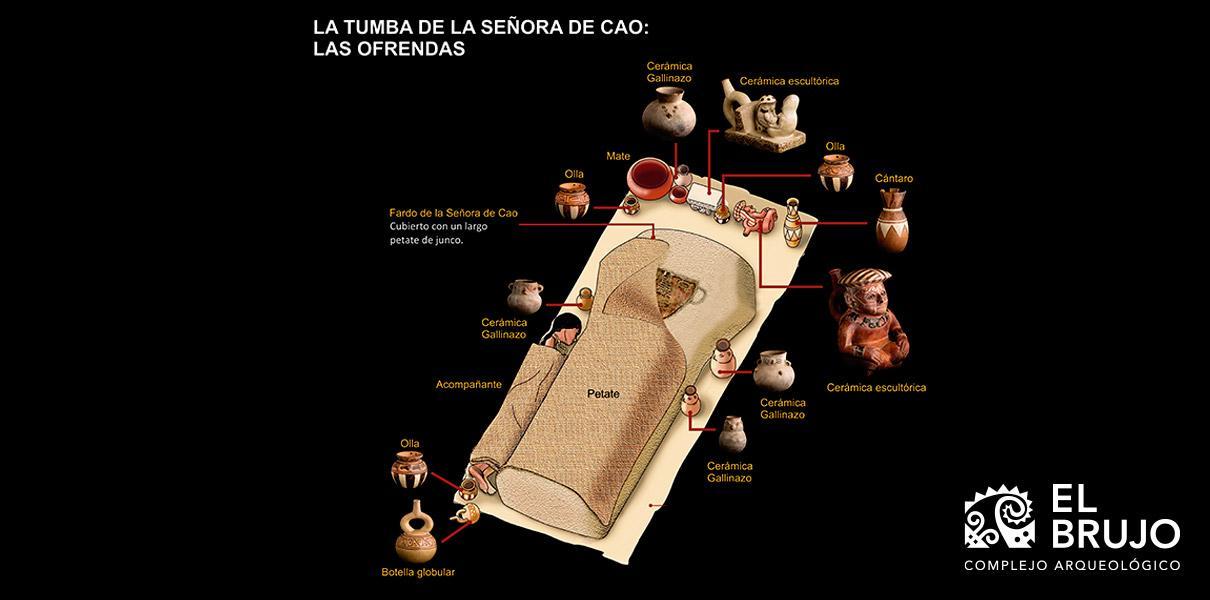
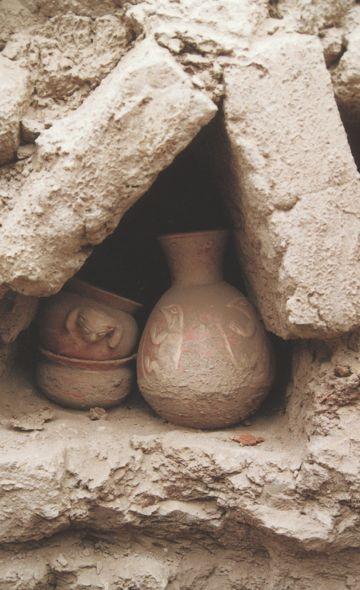
Figure 3. Offerings of the Lady of Cao.
Alongside the main bundle, the remains of a teenage girl with a simpler burial treatment were found, underscoring the Lady of Cao’s high social status.
The ceremonial context and its historical importance
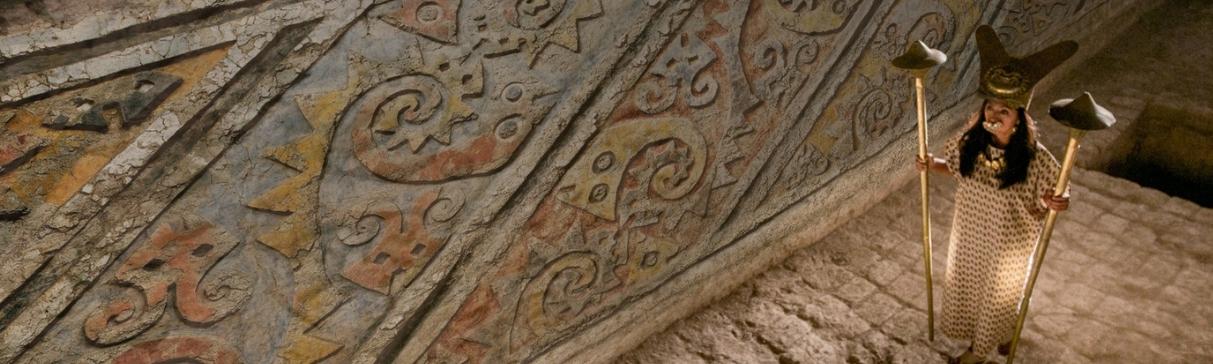
The Lady of Cao’s tomb was located in a ceremonial chamber atop Huaca Cao Viejo. The walls were finely decorated with images of fish, felines, condors, snakes, and other religious symbols, illustrating the close relationship between political power and religious worldview in Moche culture.
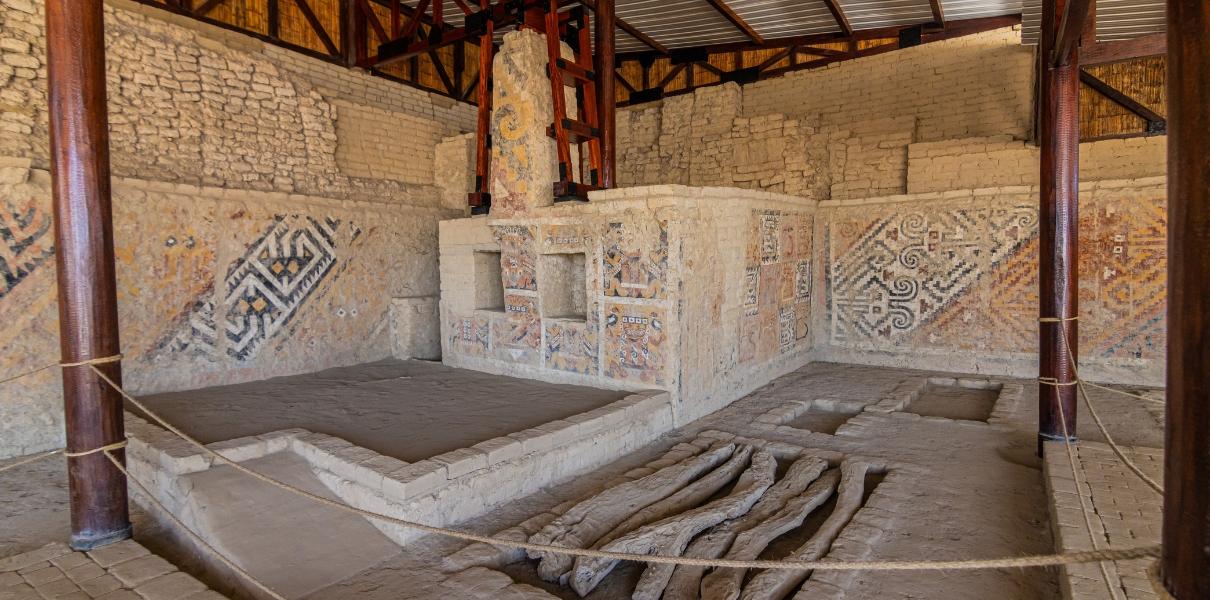
Figure 4. Northwestern chamber of Huaca Cao Viejo.
The discovery of the Lady of Cao demonstrates how social organization was based on hierarchy and power. A figure of her stature—young and healthy by the standards of her time, buried with elaborate mortuary treatment, prestigious objects, and in an exclusive space within a monumental structure—reflects how the Moche emphasized social distinctions and reproduced them in funerary rituals.
This context shows that certain women not only held prominent positions of authority in the 5th century A.D., but that their death and funerary ceremonies also reinforced and legitimized the existing social order. These rituals consolidated elite authority and reaffirmed Moche hierarchies.
Why is the Lady of Cao so important for Peru?
The Lady of Cao, also known as the Dama de Cao, is a key figure for understanding the complexity of Moche social and cultural structures. Her exceptionally well-preserved tomb has provided invaluable information that enriches knowledge of pre-Hispanic Peru.
Studies on the Lady of Cao invite us to reflect on the role of women in Moche society, showing that some elite women played a direct role in legitimizing and consolidating political hierarchies. Her story also raises questions about the lives of other women on Peru’s northern coast more than 1,500 years ago, and about the diverse roles within this ancient society.
Students , outstanding news