- Visitors
- Researchers
- Students
- Community
- Information for the tourist
- Hours and fees
- How to get?
- Visitor Regulations
- Virtual tours
- Classic route
- Mystical route
- Specialized route
- Site museum
- Know the town
- Cultural Spaces
- Cao Museum
- Huaca Cao Viejo
- Huaca Prieta
- Huaca Cortada
- Ceremonial Well
- Walls
- Play at home
- Puzzle
- Trivia
- Memorize
- Crosswords
- Alphabet soup
- Crafts
- Pac-Man Moche
- Workshops and Inventory
- Micro-workshops
- Collections inventory
- News
- Community
- How were the human sacrifice rituals of the Mochica culture conducted?
News
CategoriesSelect the category you want to see:
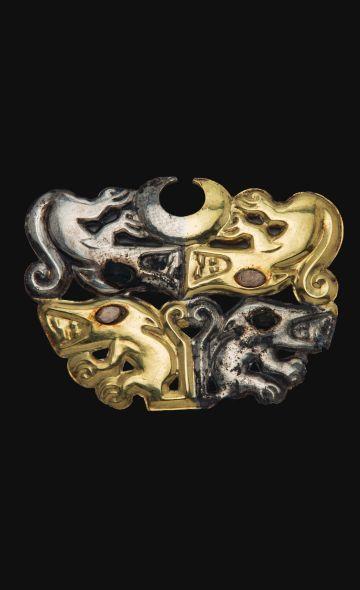
The 44 Nose Ornaments of the Lady of Cao at El Brujo (La Libertad, Peru): Emblems of Power and Moche Duality ...
Cinnabar: The Mineral That Preserved the Lady of Cao? ...
To receive new news.
By:
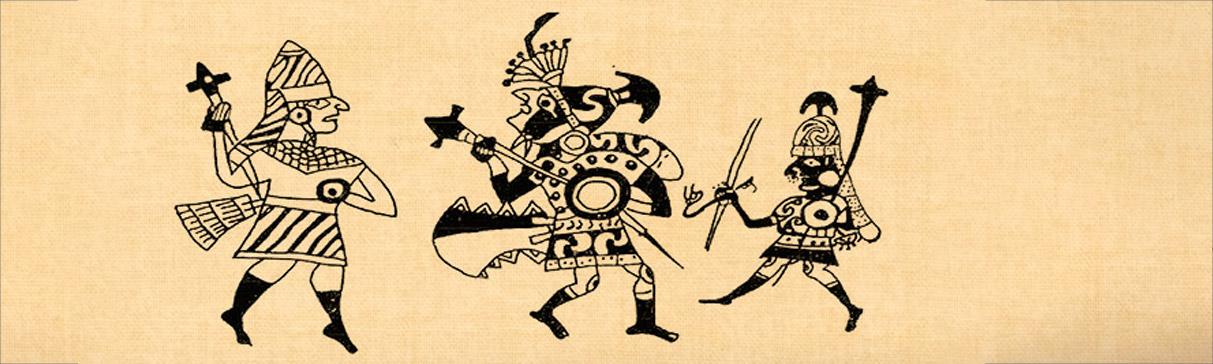
One of the main topics within the Mochica culture is the human sacrifice ritual, apparently directly connected to the common activities of this pre-Columbian culture. According to the researchers, these rituals were connected to the divinities of that time and were considered as offerings to the gods and to nature.
For a long time, it was believed that this type of ritual was a performance of epic and mythological tales. After the discovery of mutilated and brutally sacrificed cadavers, it was demonstrated that, effectively, they were not only enactments, but materialized violence, actually executed. In order to carry out such rituals, both the priests in charge and those that were sacrificed had to control their anxiety and perception of reality. It is known that they used certain psychotropic plants, such as stramonium, San Pedro cactus and coca leaf.
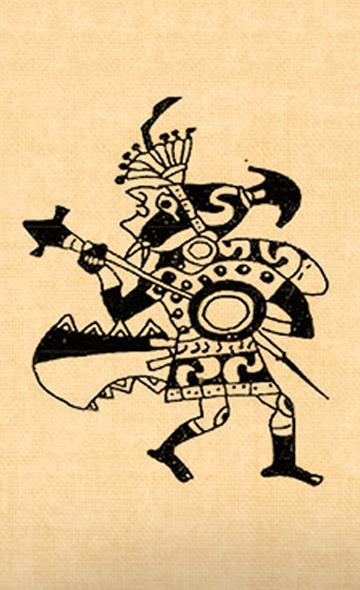
There were probably two types of rituals in the Moche society: Human sacrifices as offerings to the divinity and sacrifice as punishment. This is inferred from the results of the research, since there are cadavers evidencing traces of torture, throat-slitting and even disembodiment. Some cadavers found at the Huaca de la Luna were missing jaws and arms. It is probable that these sacrificed individuals were captured enemy warriors.
Was there a process for human sacrifices in the Mochica Culture?
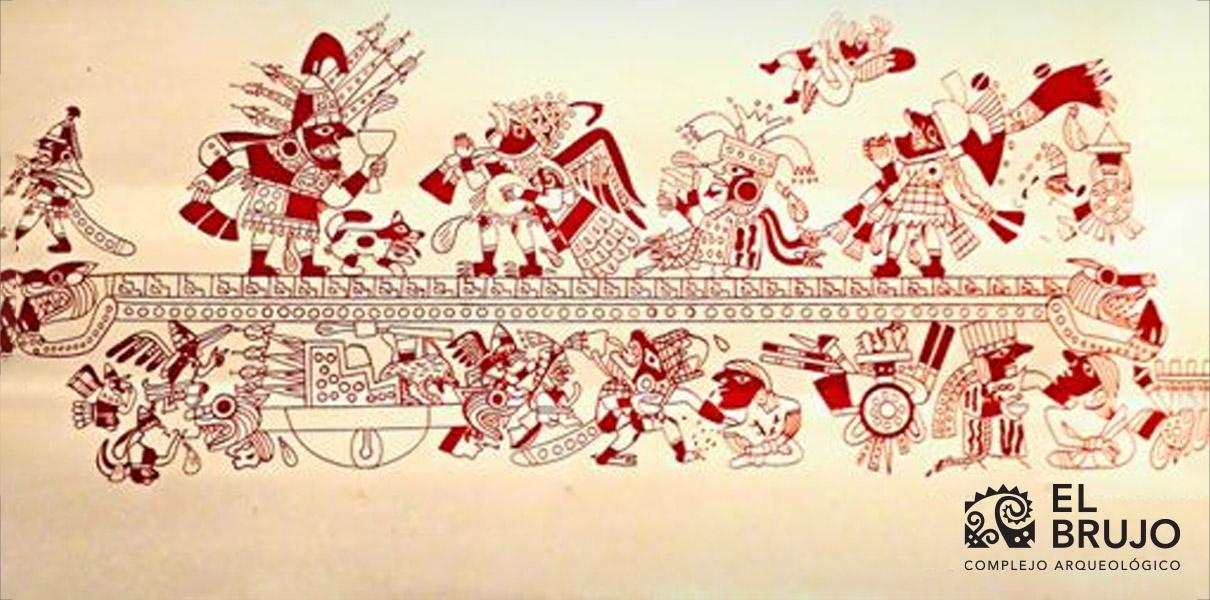
The answer is yes. Before sacrificing their victims, the war prisoners, they were undressed and tied up, then transferred in a procession to the main temple. They were not sacrificed right away, as they needed to be prepared first. This was a process that could take days or weeks. They used seeds with a narcotic, analgesic or hallucinogenic effect on the prisoners. Then, they were placed in special enclosures where they were prepared by Moche medicine men and priests.
Many of these sacrifices were conducted on near-by mountains as offerings to the gods. The subjects were sacrificed with the help of a tumi, or ceremonial knife, by cutting the cervical vessels. On some ceramic pieces, one can observe that the blood of the sacrificed individuals ran down the mountain like a river, while the supreme priest looked on that offering to nature. However, the most important action was the presentation of the blood in a cup, both to the ruler and to the Mochica divinity.
At the temple, the Mochica supreme priests and priestesses prepared their victims for the sacrifice, making them drink beverages made from the plants mentioned above. After the sacrificial event, where the majority died from bleeding, the priests offered the blood by spraying it on the ground as an offering.
Community , outstanding news