- Visitors
- Researchers
- Students
- Community
- Information for the tourist
- Hours and fees
- How to get?
- Visitor Regulations
- Virtual tours
- Classic route
- Mystical route
- Specialized route
- Site museum
- Know the town
- Cultural Spaces
- Cao Museum
- Huaca Cao Viejo
- Huaca Prieta
- Huaca Cortada
- Ceremonial Well
- Walls
- Play at home
- Puzzle
- Trivia
- Memorize
- Crosswords
- Alphabet soup
- Crafts
- Pac-Man Moche
- Workshops and Inventory
- Micro-workshops
- Collections inventory
- News
- Students
- What was the role of the Lady of Cao?
News
CategoriesSelect the category you want to see:
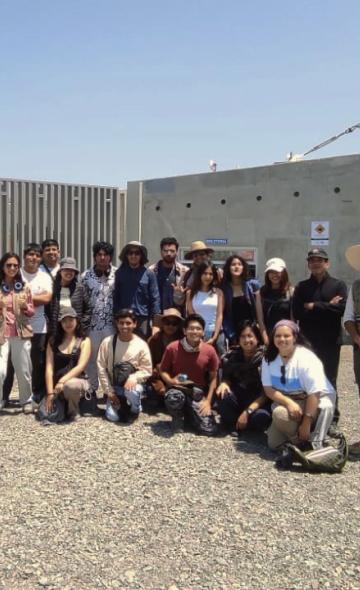
PUCP Archaeology Students Visit the El Brujo Archaeological Complex ...
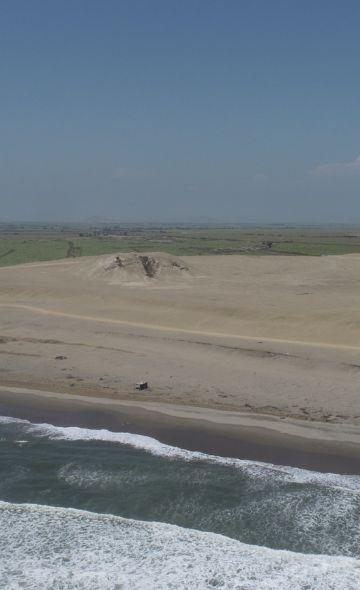
The Republican Settlements of El Brujo: Notes for the Recent History of Magdalena de Cao ...
To receive new news.
By:
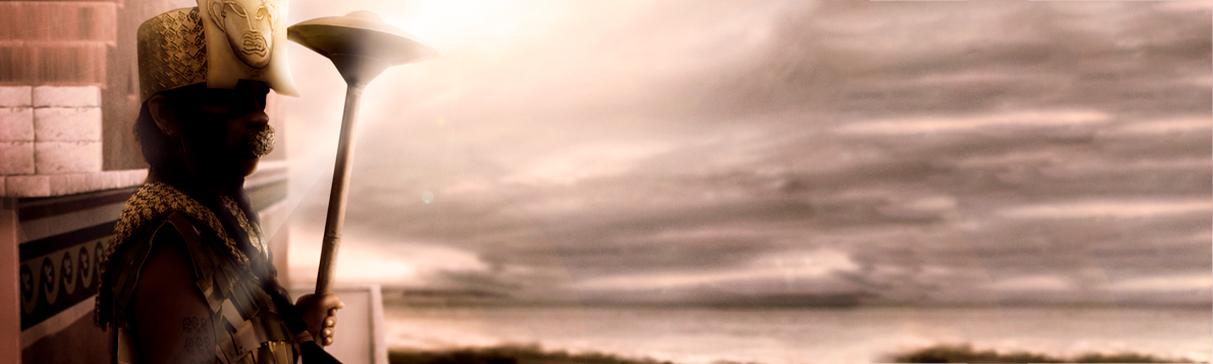
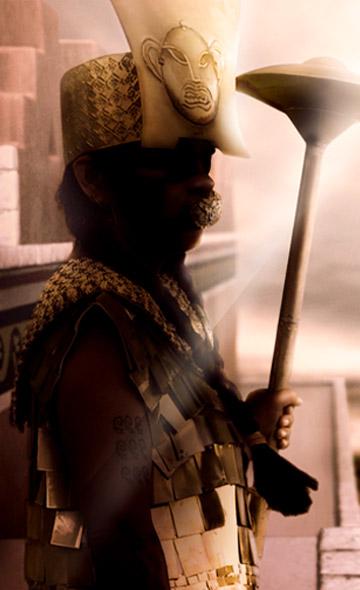
In the year 2005, while excavations were underway at the Huaca Cao Viejo and the El Brujo Archaeological Complex, one of the most important Mochica tombs was unveiled. The openings of five tombs indicated that it was the burial of several personages. The largest tomb stood out, inside of which a heavy funerary bundle was found. Until that time, nothing would lead to believe that the wrapped personage was that of a woman.
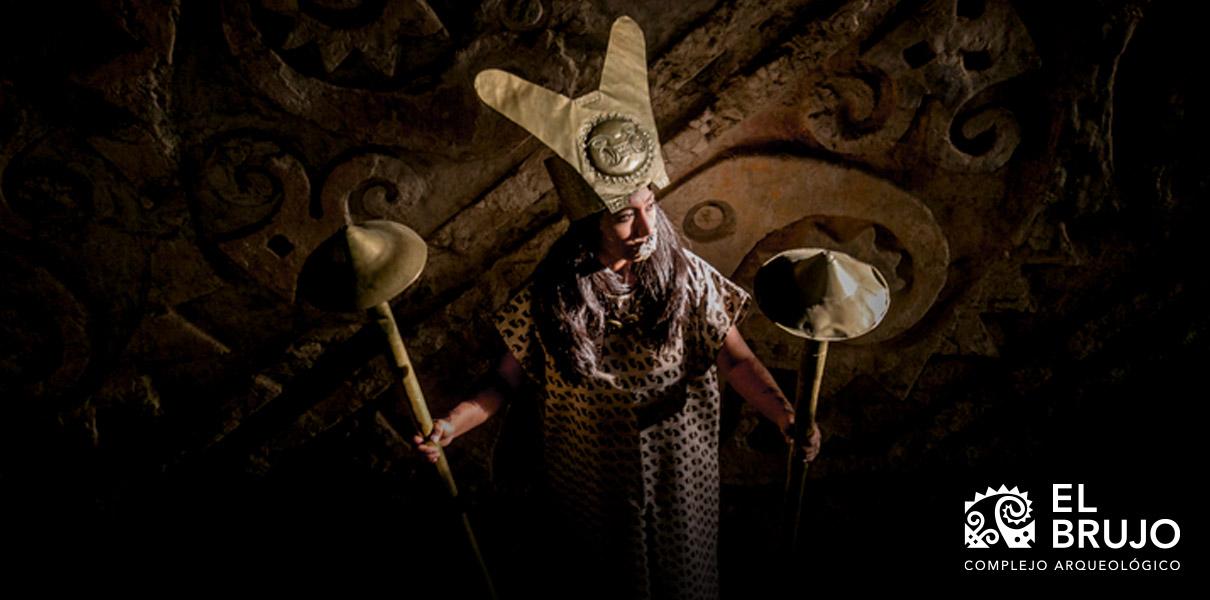
The Lady of Cao and her importance for Peruvian history
Although the tomb of the "Lady of Cao" was one of the great discoveries of the Mochica culture, actually, as early as 1991, excavations at San José de Moro revealed the first tombs of priestesses from this culture. In spite of the fact that the ones that were found before 2005 attested to the high status of women and their importance in society, the find at the Huaca Cao Viejo would shed a new light on the role of those pre-Hispanic cultures.
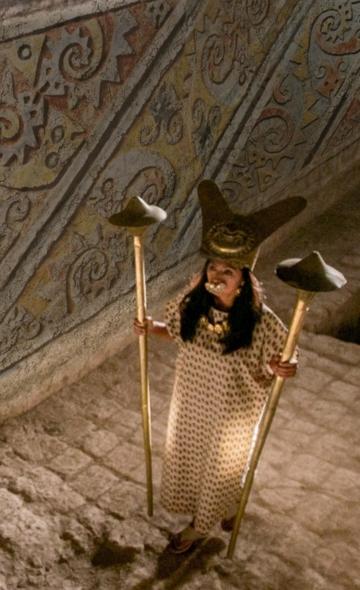
Indeed, the Lady of Cao was not only a personage from the elite at a political level, but also at a religious one. Some researchers have come to notice that she would have been a priestess, due to the tattoos found on her body. These may suggest supernatural powers attributed to the personage, such as healing the sick. It would not be surprising that she may have been considered as a demigod by her people.
Aside from the social position that she had in life, the discovery of the tomb of the Lady of Cao has also allowed us to better understand this culture. This is due to the fact that her tomb is one of the best conserved in the history of archaeology. Unlike the royal tombs of Sipan, this one was not damaged by the floods that affected the settlements of the Moche or by tomb-raiding.
What is the impact of the discovery on today's society
The tomb of the Lady of Cao is considered to be among the richest ones dedicated to women, both in Peru and in Latin America, in the pre-Hispanic era. Her tomb is a sign of the richness and power that women like her had in their lifetimes. Nowadays, we know that the Lady of Cao was a member of the Moche elite, a class that she ruled over, at least in the lower valley of Chicama, and that she earned the respect of her people.
The findings are evidence that women also had key positions at the top of Moche society, more than 1,700 years ago, and that political, social and religious power escaped the limits of gender. The Lady of Cao is an icon that bolsters women's empowerment.
Students , outstanding news