- Visitors
- Researchers
- Students
- Community
- Information for the tourist
- Hours and fees
- How to get?
- Visitor Regulations
- Virtual tours
- Classic route
- Mystical route
- Specialized route
- Site museum
- Know the town
- Cultural Spaces
- Cao Museum
- Huaca Cao Viejo
- Huaca Prieta
- Huaca Cortada
- Ceremonial Well
- Walls
- Play at home
- Puzzle
- Trivia
- Memorize
- Crosswords
- Alphabet soup
- Crafts
- Pac-Man Moche
- Workshops and Inventory
- Micro-workshops
- Collections inventory
- News
- Visitors
- What Is Cultural Heritage? Meaning and Examples
News
CategoriesSelect the category you want to see:
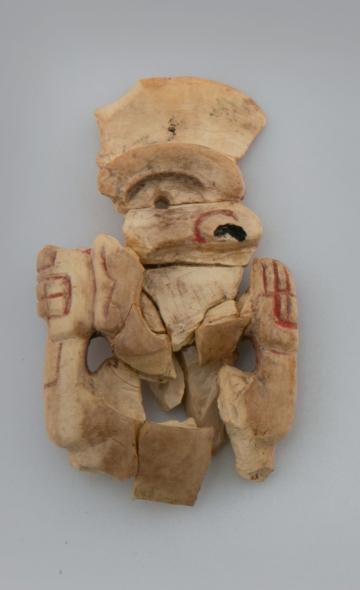
The Cupisnique Era at El Brujo ...
What Do You Need to Travel to Peru? Recommendations for an Unforgettable Visit ...
To receive new news.
By: Complejo arqueológico El Brujo
Every society is built upon the traces of its history—its architecture, art, language, music, and traditions. These inherited elements form part of cultural heritage, a collection of expressions that not only belong to the past but also continue to shape our collective identity.
In Peru, this legacy is found throughout the territory, from archaeological sites to popular celebrations that remain alive generation after generation. Understanding what cultural heritage is, and recognizing its different forms, is essential to valuing and protecting it.
What Is Cultural Heritage?
Cultural heritage includes both tangible and intangible assets that reflect our history, creativity, customs, and values. This legacy helps us understand who we are as a society and reinforces our sense of identity.
Just as we inherit traditions within a family, we also share a broader culture with our community, region, or country.
Peru is characterized by its great cultural, geographic, and social diversity. This richness is expressed in many aspects of daily life, and together they form the cultural heritage of the nation.
Types of Cultural Heritage in Peru
To better protect it, cultural heritage is classified into different categories. These include:
- Tangible immovable heritage, such as archaeological sites.
- Tangible movable heritage, such as ancient objects.
- Intangible heritage, such as festivals or traditional knowledge.
Other forms are also recognized, including documentary or underwater heritage.
Examples of Cultural Heritage in Peru
Tangible Immovable Heritage
This category includes any cultural property that cannot be moved. Examples are archaeological sites (huacas, cemeteries, temples, caves, terraces, and more), as well as colonial and republican-era buildings.
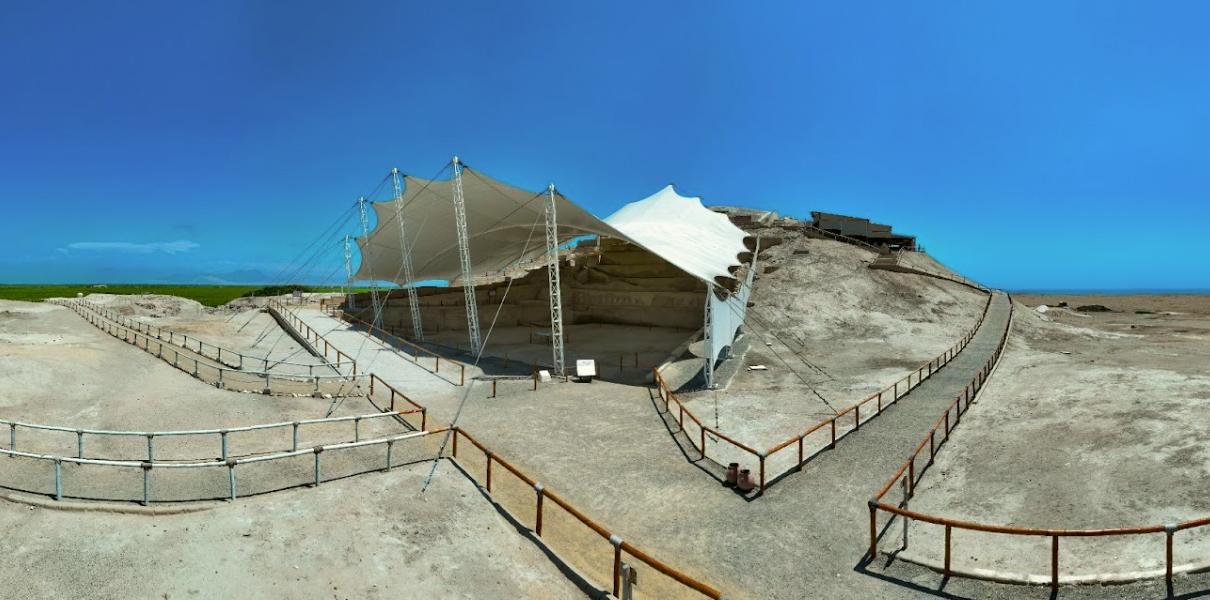
Example 1: El Brujo Archaeological Complex
Located in Magdalena de Cao, Ascope, La Libertad, this site preserves temples and ceremonial structures. It is a significant example of tangible immovable heritage due to its historical value and what it reveals about the civilizations that inhabited the region. Since 1990, the Wiese Foundation has worked in collaboration with the Ministry of Culture to preserve, research, and promote El Brujo. This partnership ensures the protection of cultural heritage and the development of skills within the local community.
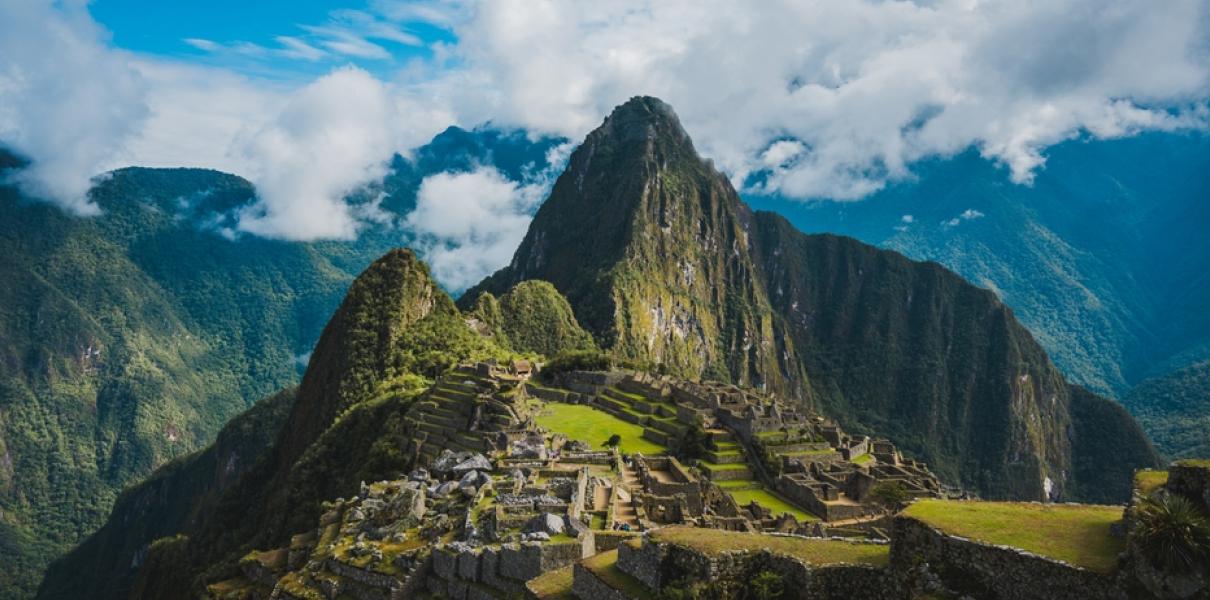
Example 2: Machu Picchu
Perhaps Peru’s most famous archaeological site, Machu Picchu represents the architectural legacy of the Incas and is closely tied to the country’s history.
Tangible Movable Heritage
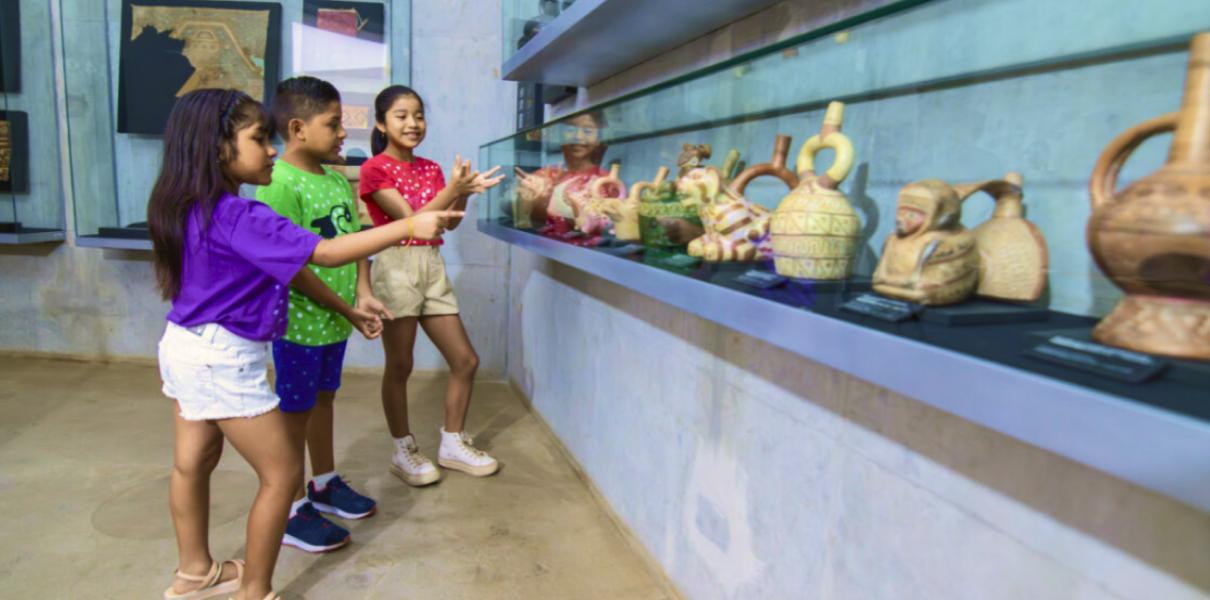
This category includes cultural assets that can be transported from one place to another. Examples include textiles, ceramics, paintings, sculptures, books, metalwork, coins, documents, and furniture.
Example: Ceramics
Ceramic vessels and objects provide insight into the daily lives of pre-Columbian societies. Their value also lies in the techniques and knowledge required for their production.
Intangible Heritage
Known as “living culture”, intangible heritage includes elements such as folklore, traditional medicine, and culinary arts. It encompasses practices, expressions, knowledge, and skills associated with specific objects and cultural spaces.
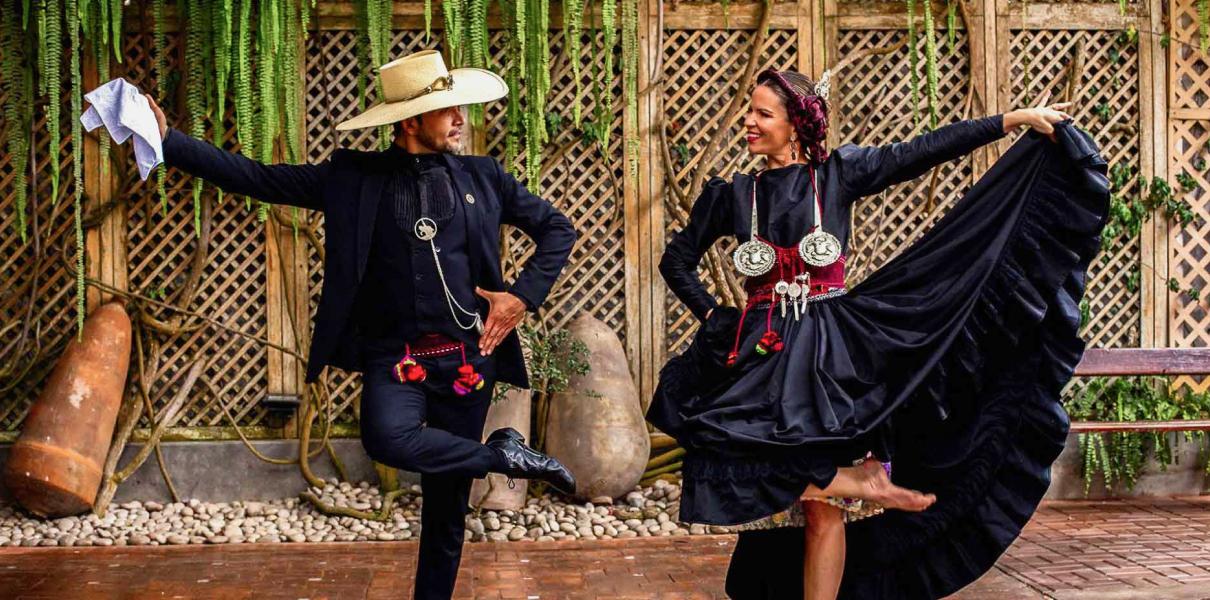
Example: La Marinera Dance
La Marinera is a vibrant expression of traditional Peruvian culture. Along with other dances such as the huayno, it is part of Peru’s cultural identity. As an essential element of folklore and regional identity, it is recognized as intangible cultural heritage.
Wiese Foundation and Its Commitment to the El Brujo Archaeological Complex
Through its Cultural Heritage Research and Management Program, within agreements signed with the Ministry of Culture, the Wiese Foundation works to research, conserve, enhance, share knowledge, engage the community, and promote the El Brujo Archaeological Complex.
Thanks to these efforts, El Brujo has welcomed over 47,000 visitors, generated more than 40 jobs, and preserved, safeguarded, and shared over 39,800 movable cultural assets. These results demonstrate how heritage management can directly contribute to local development.
Don’t Miss the Opportunity to Visit El Brujo
The El Brujo Archaeological Complex allows visitors to explore 14,000 years of history from cultures such as Cupisnique, Moche, and Lambayeque.
Visiting El Brujo not only offers the chance to discover its legacy but also to contribute to the research, conservation, enhancement, and promotion of this remarkable archaeological site.
Visitors , outstanding news