- Visitors
- Researchers
- Students
- Community
- Information for the tourist
- Hours and fees
- How to get?
- Visitor Regulations
- Virtual tours
- Classic route
- Mystical route
- Specialized route
- Site museum
- Know the town
- Cultural Spaces
- Cao Museum
- Huaca Cao Viejo
- Huaca Prieta
- Huaca Cortada
- Ceremonial Well
- Walls
- Play at home
- Puzzle
- Trivia
- Memorize
- Crosswords
- Alphabet soup
- Crafts
- Pac-Man Moche
- Workshops and Inventory
- Micro-workshops
- Collections inventory
- News
- Community
- Why is the Viringo considered the traditional dog of the Mochica culture?
News
CategoriesSelect the category you want to see:
x ...
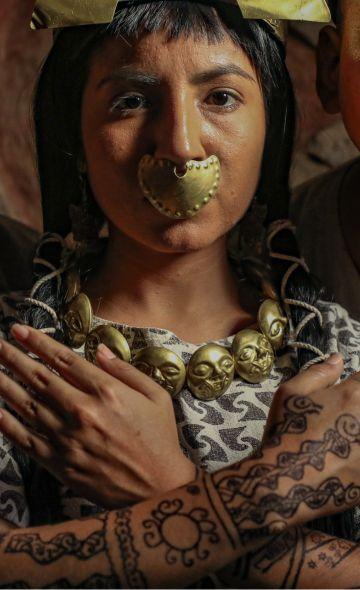
The Tattoos of the Lady of Cao as a Mark of Elite Status: Moche Visual Language ...
To receive new news.
By: Complejo arqueológico El Brujo
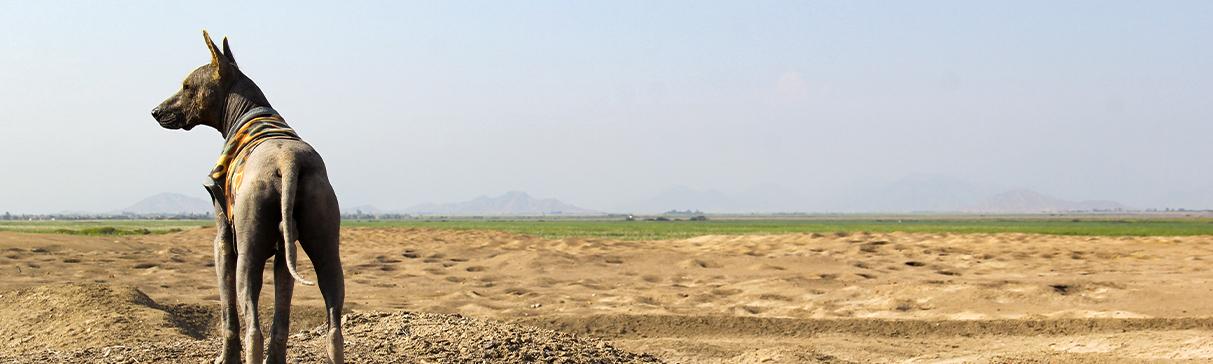
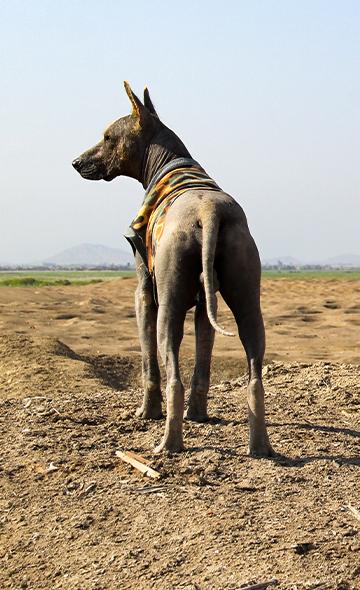
Viringo is the name given to the hairless Peruvian dog. Its first iconographic appearance occurred in Cupisnique, in the Mid and Late Formative period. It is also considered as part of the National Heritage, as per Ministerial Resolution No. 346.
Why was this race of dogs so prominent in the Moche culture? Was it due to its presence in the burials of members of the elite of this civilization? Was it due to its depictions on famous huacos? Or are there more reasons for recognizing the importance of the viringo among the Mochicas?
The origin of the name
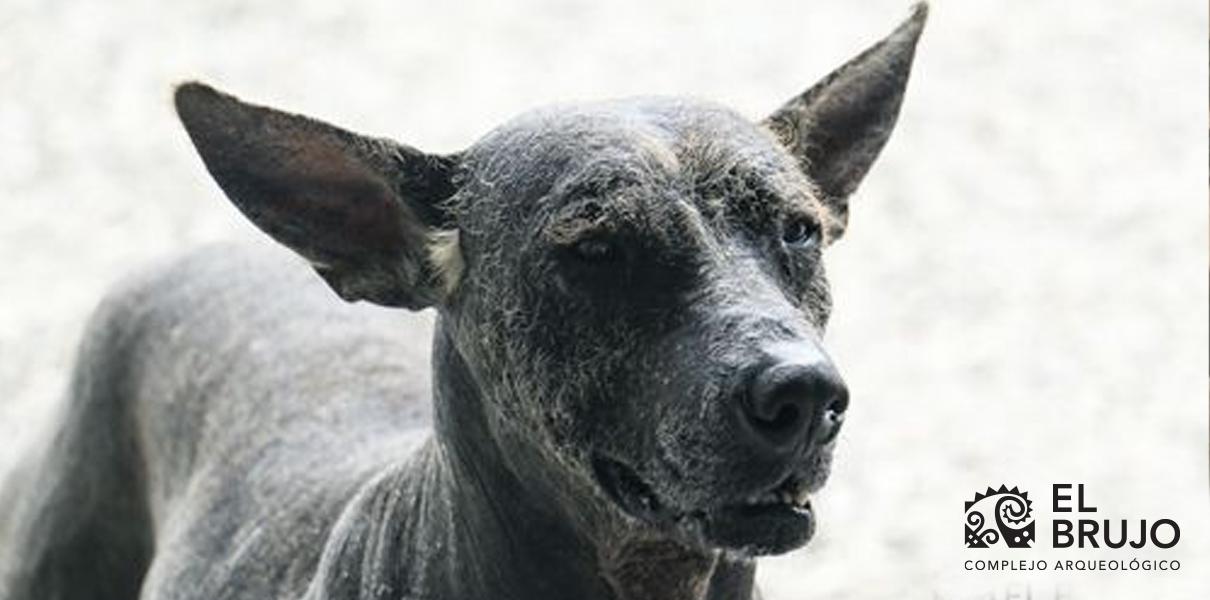
Although nowadays it is known as the Peruvian hairless dog, one of its oldest names, which was recorded in the texts from Colonial Times, is "veringo" or "viringo". This word, it is believed, would have a Mochica or Tallan origin, and its meaning is "naked".
Length of existence of the viringo dog
In these cultures, the viringo dog was depicted on ceramics. In those artistic expressions, many from the Mochica culture, it can be seen accompanying man with fidelity and at the heart of his family, including in everyday activities. These hairless dogs can be recognized on these ceramics from the lines drawn to imitate the folds on the animal's skin.
Importance of the hairless dog in ancient Peru
The Mochica culture is one of the pre-Columbian peoples that have the most depictions of the Peruvian hairless dog. The evidence of its domestication can be seen both in the iconography found on murals and ceramics, and in the tombs of personages from the elite.
The hairless dog was the pet of the warriors, rulers and priests from pre-Columbian cultures in Peru. As such, the hairless dog enjoyed many privileges. It is even believed that it participated in sacred rituals, though the sculpture samples found in the tomb of the Old Lord of Sipan are the only vestige of this role.
In the Moche culture, two dog races were recognized. The other one, which is characterized for having a short and spotted fur. This dog is associated with hunting activities, which was not the case with the viringo dog, due to its lack of premolars (Vazquez et al. 2009:27).
Community , outstanding news