- Visitors
- Researchers
- Students
- Community
- Information for the tourist
- Hours and fees
- How to get?
- Visitor Regulations
- Virtual tours
- Classic route
- Mystical route
- Specialized route
- Site museum
- Know the town
- Cultural Spaces
- Cao Museum
- Huaca Cao Viejo
- Huaca Prieta
- Huaca Cortada
- Ceremonial Well
- Walls
- Play at home
- Puzzle
- Trivia
- Memorize
- Crosswords
- Alphabet soup
- Crafts
- Pac-Man Moche
- Workshops and Inventory
- Micro-workshops
- Collections inventory
- News
- Visitors
- 10 Museums in Peru You Must Visit to Discover Peruvian History
News
CategoriesSelect the category you want to see:
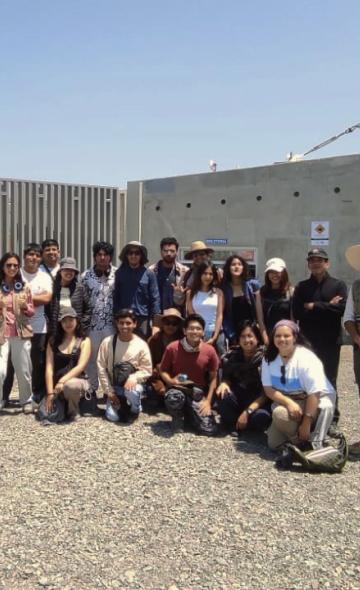
PUCP Archaeology Students Visit the El Brujo Archaeological Complex ...
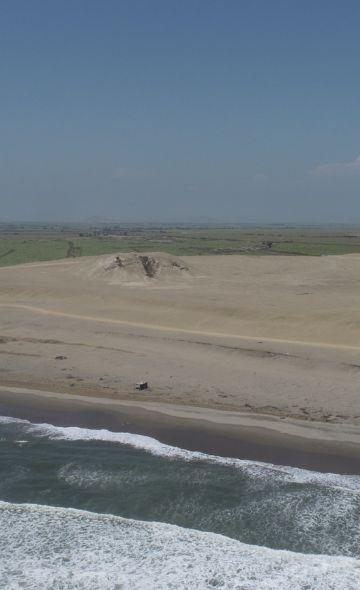
The Republican Settlements of El Brujo: Notes for the Recent History of Magdalena de Cao ...
To receive new news.
By: Complejo arqueológico El Brujo
Visiting museums in Peru means immersing yourself in thousands of years of culture, art, and memory. Each one holds unique discoveries that connect us with the roots of Peruvian history—from the first social groups to the colonial and republican eras. If you’re planning a trip and want to better understand the past of this diverse country, here is a must-see list of 10 museums to include in your cultural journey.
1. Site Museum of the El Brujo Archaeological Complex
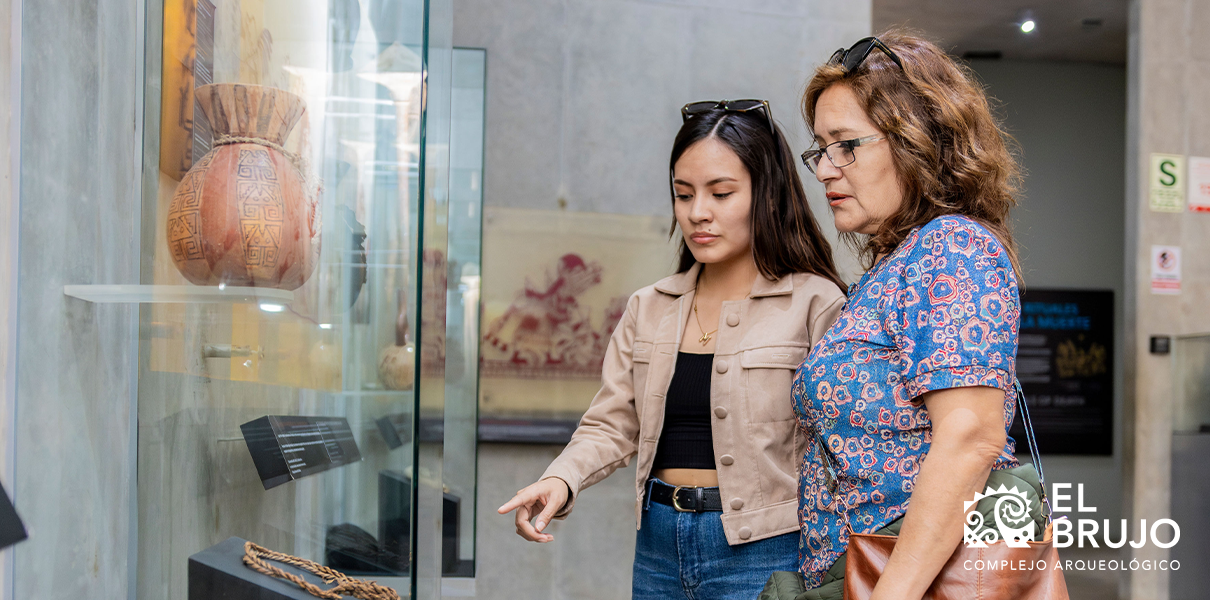
Located in Magdalena de Cao, Ascope province, La Libertad, the El Brujo Site Museum preserves 14,000 years of human occupation on Peru’s northern coast. Highlights include the Lady of Cao—an elite Mochica woman ruler—the 14,000 Years of History gallery, and the Cosmic Architecture room, which explores Mochica cosmology. A must-visit for anyone seeking to discover the cultural heritage of this region of Peru.
2. Royal Tombs of Sipán Museum
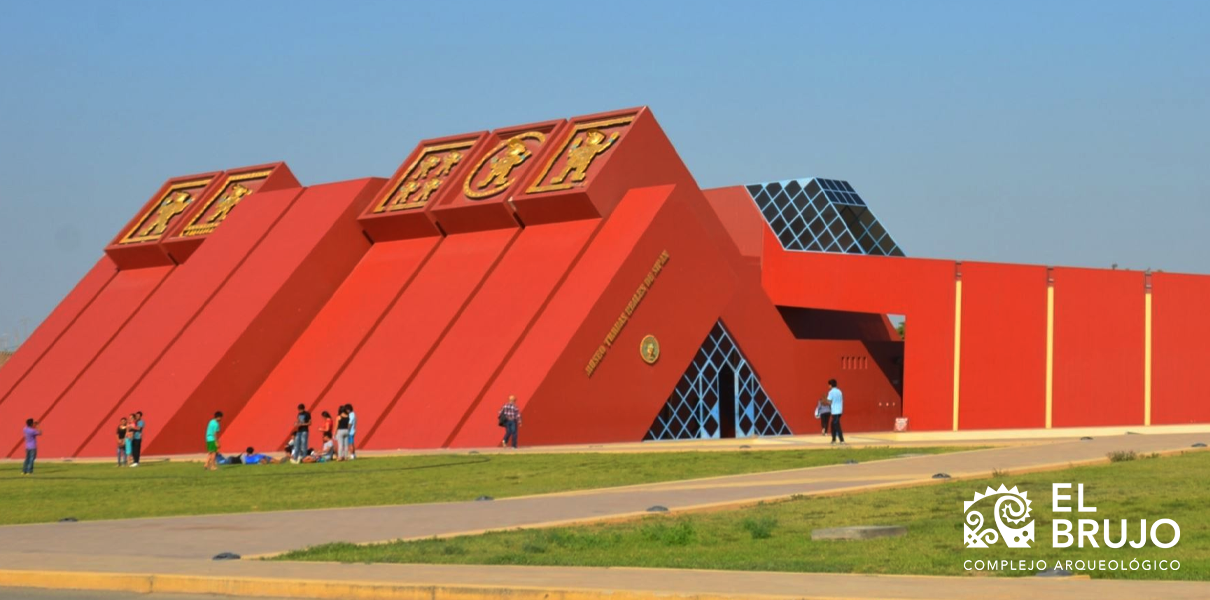
Located in the Lambayeque region, this museum was designed in the shape of a truncated Mochica pyramid. It houses the impressive funerary treasures of the Lord of Sipán, one of Latin America’s most important archaeological discoveries. The exhibits feature jewels, ceramics, and ornaments belonging to the Mochica elite of Peru’s northern coast.
3. Chan Chan Site Museum
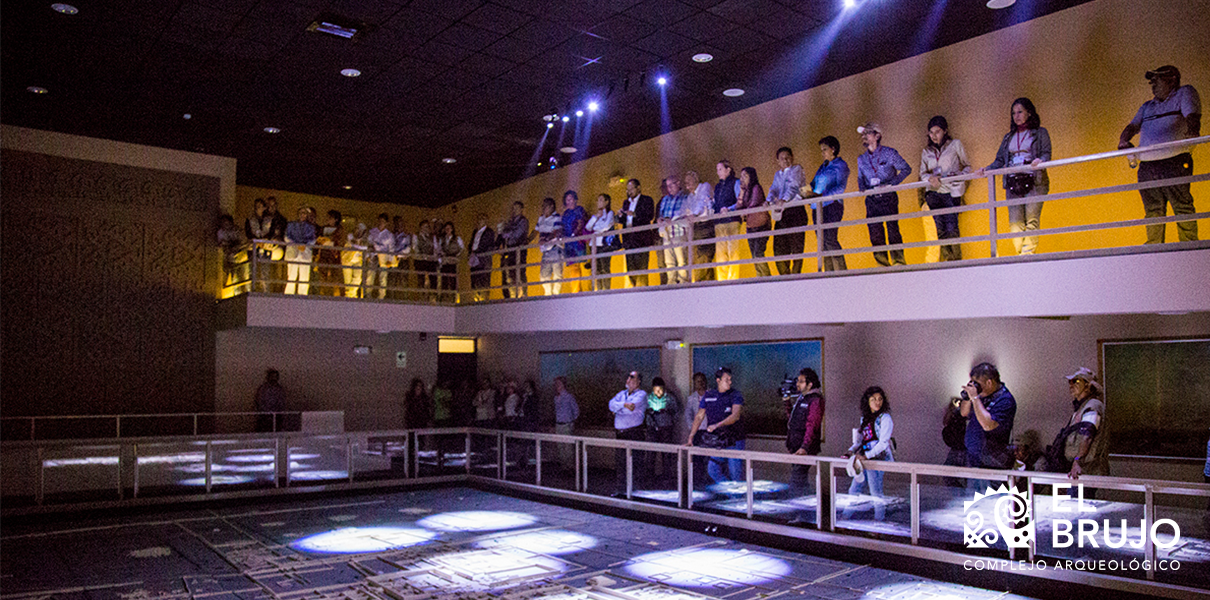
Part of the Chan Chan Archaeological Complex, this museum explains the development of the Mochica and Chimú cultures in La Libertad. It highlights Moche Valley agriculture, irrigation techniques, and cultivated crops. Visitors can also explore an interactive digital room narrating the history of the Chimor Kingdom.
4. National Museum of Chavín
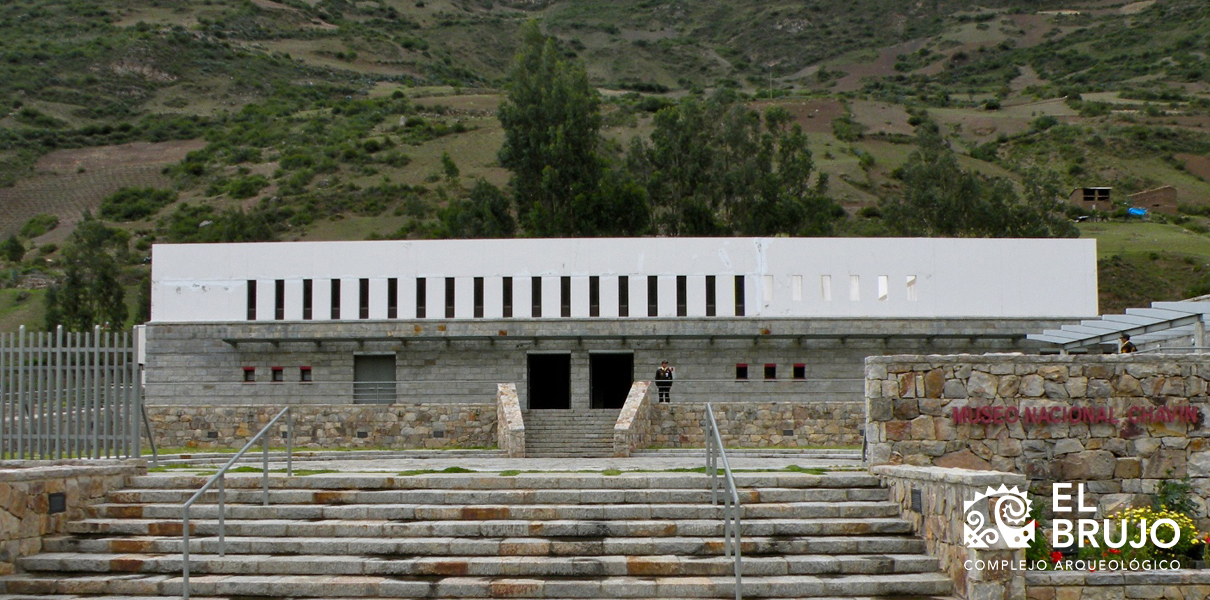
This museum preserves iconic pieces of the Chavín culture, discovered by archaeologist Julio C. Tello. Among its most notable artifacts are the Tello Obelisk, carved stone heads (cabezas clavas), ceramics, and conch-shell trumpets (pututos) used in rituals. Located in Chavín de Huántar, Huari province, Áncash, it offers a deeper understanding of Peru’s early civilizations.
5. Larco Museum
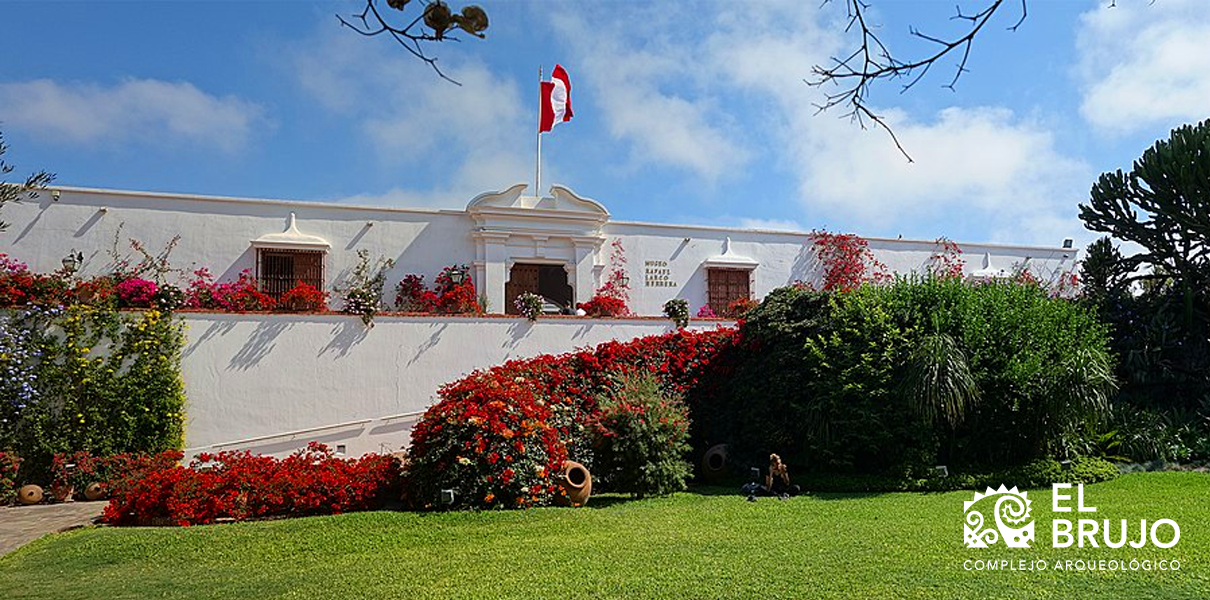
Housed in an 18th-century colonial mansion, the Larco Museum contains more than 45,000 archaeological pieces—one of the largest pre-Columbian art collections in Peru. Its highlights include a renowned collection of ancient gold and silver and an erotic art gallery from the Mochica culture. It is located in Pueblo Libre, Lima.
6. Huaca Pucllana Site Museum
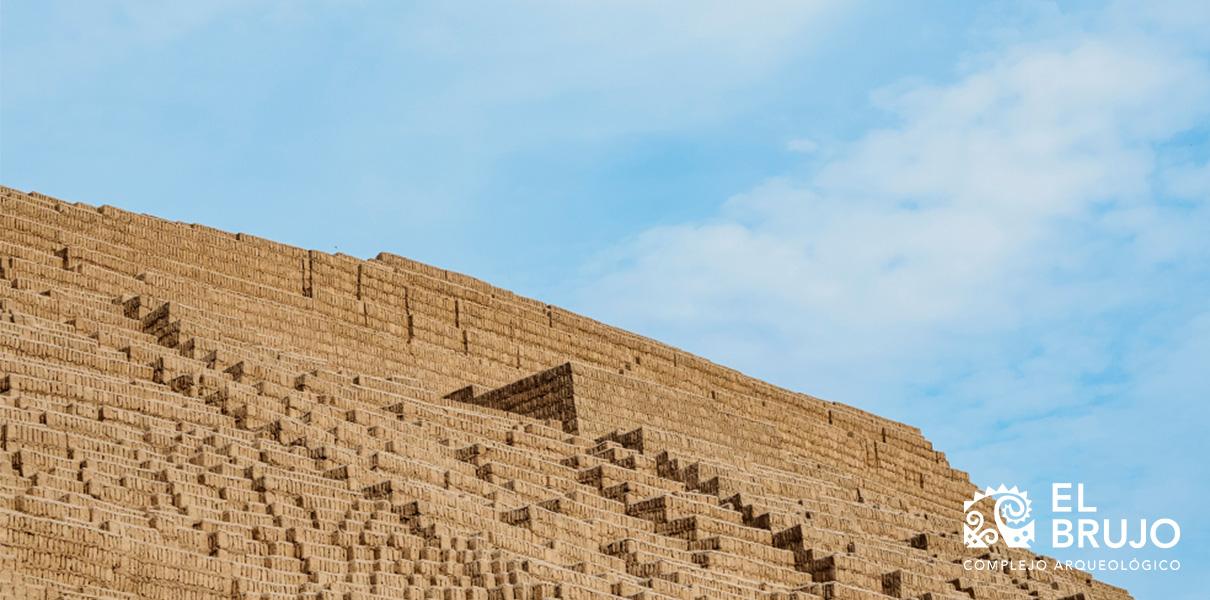
Located in Miraflores, Lima, this museum showcases one of the most emblematic huacas (sacred sites) of the central coast. Inaugurated in 1984, it features artifacts uncovered during excavations of Huaca Pucllana since 1981. The museum also includes a guided tour circuit, an ecological park, and complementary services.
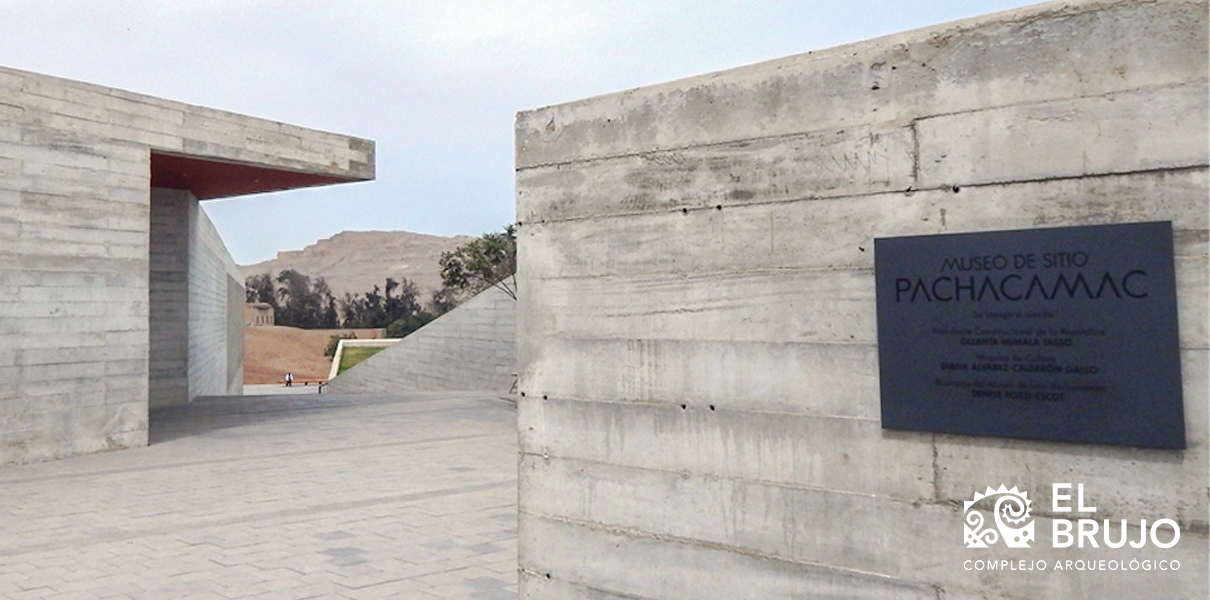
7. Pachacamac Site Museum
This museum displays artifacts found at the Pachacamac Sanctuary, including ceramics and textiles from the Lima, Wari, Ychsma, and Inca cultures. Its modern design offers an interactive visitor experience, with the Pachacamac Idol as the centerpiece. It is located in Lurín, south of Lima.
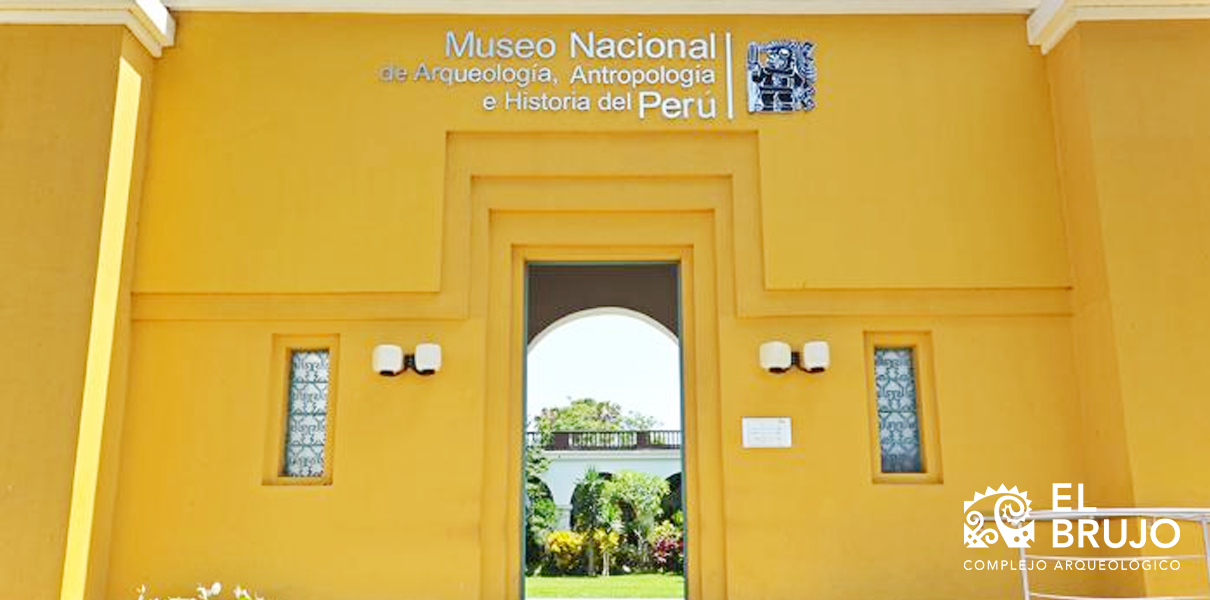
8. National Museum of Archaeology, Anthropology and History of Peru
Located in Lima, this is the oldest museum in the country. It houses around 300,000 artifacts that narrate Peru’s pre-Hispanic, colonial, and republican history. The museum also hosts cultural activities such as workshops, food fairs, and artistic performances. Currently, public visits focus on the Independence Hall at the Quinta de los Libertadores.
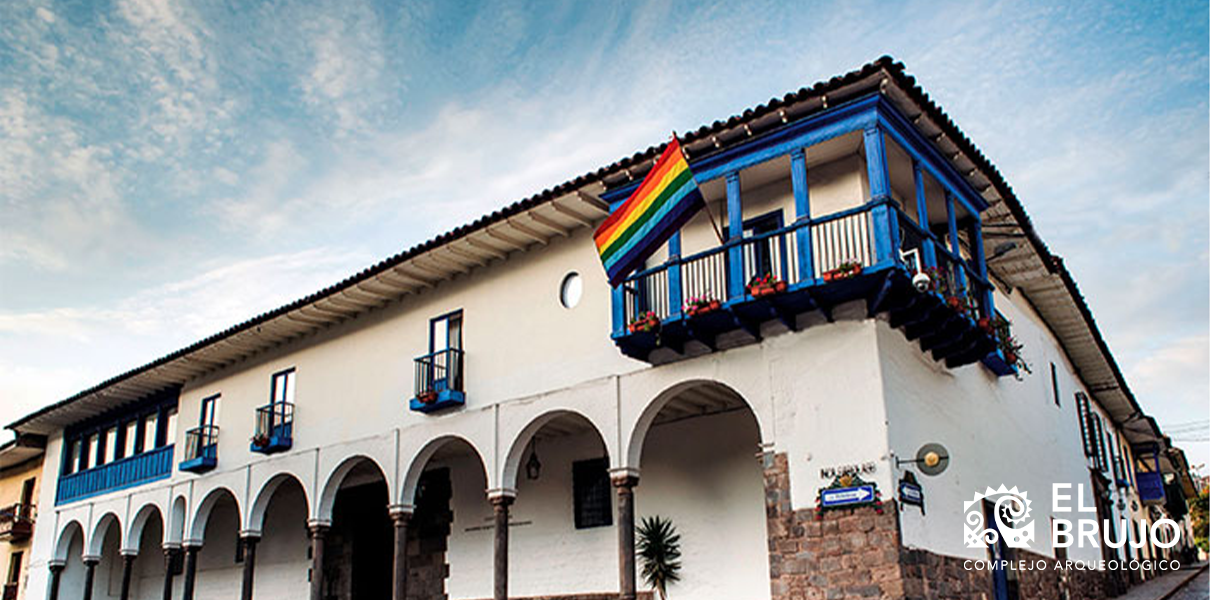
9. Regional Historical Museum of Cusco
The former residence of mestizo chronicler Garcilaso de la Vega is now a museum showcasing Cusco’s history. Created in 1967, it exhibits archaeological artifacts, colonial paintings, and period furniture across seven halls. Located in the heart of Cusco, it was declared a Historical Monument of Peru in 1957.
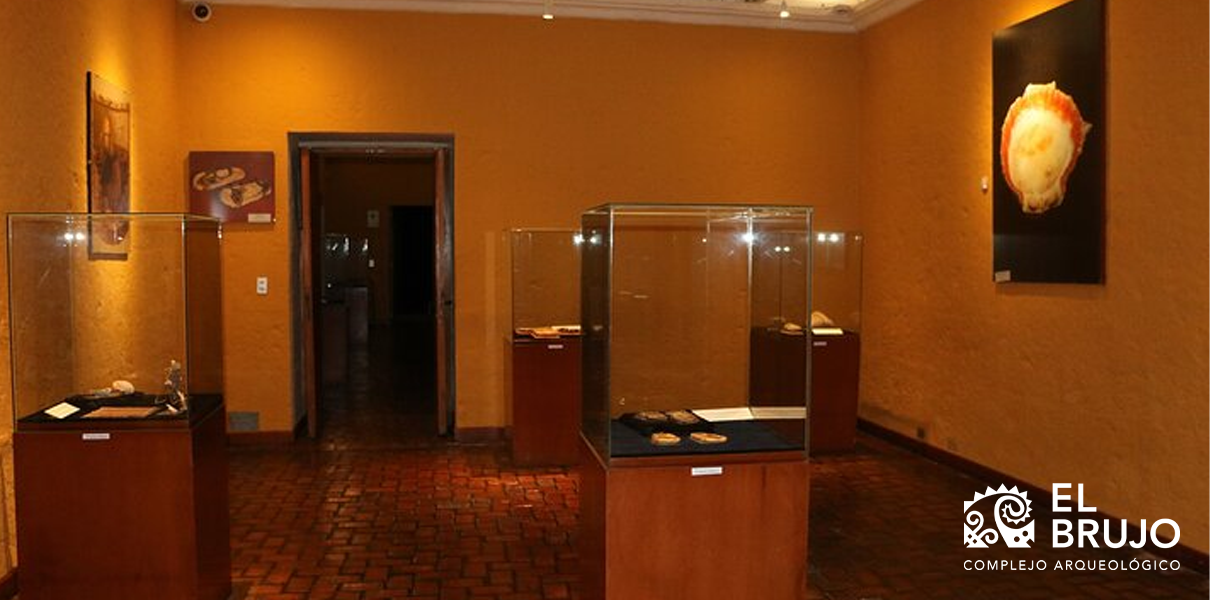
10. Andean Sanctuaries Museum
Located in Arequipa, this museum houses the Mummy Juanita (Lady of Ampato), a young girl sacrificed in the Inca Capacocha ceremonies. Through its five exhibition halls, visitors can explore textiles, ceramics, and metal artifacts found in her funerary context. The museum is located in the Casa de la Cultura, just steps away from the Plaza de Armas.
Explore Peruvian History Through Its Museums
The museums of Peru safeguard invaluable artifacts and preserve the living memory of the civilizations that inhabited this land. From the northern coast to the Andes and the southern regions, each museum is a gateway to pre-Columbian cultures, their rituals, knowledge, and artistic expressions.
Want to learn more about Peruvian history? Start by exploring its museums—spaces where the past comes alive and speaks in many languages.
Visitors , outstanding news